(0)

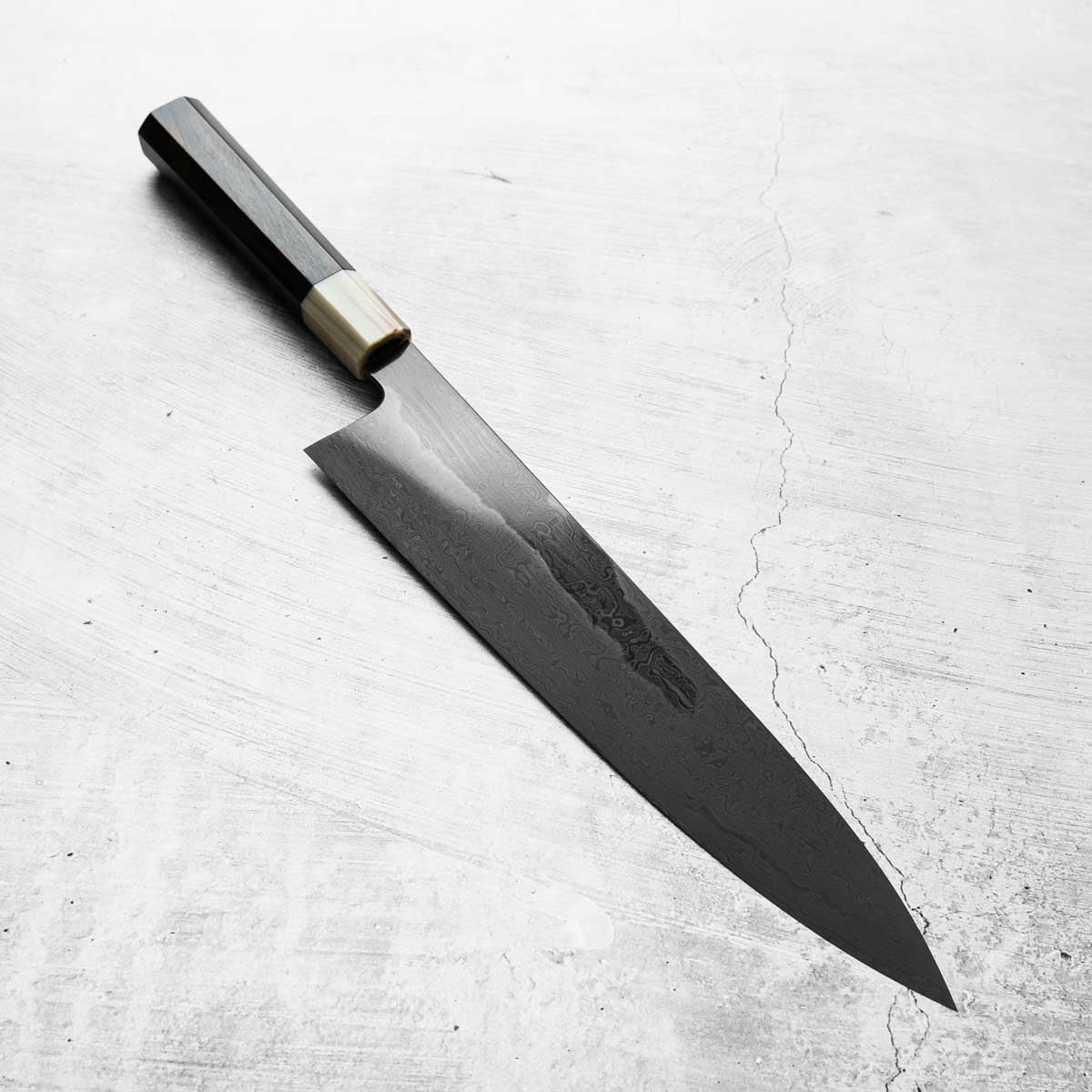
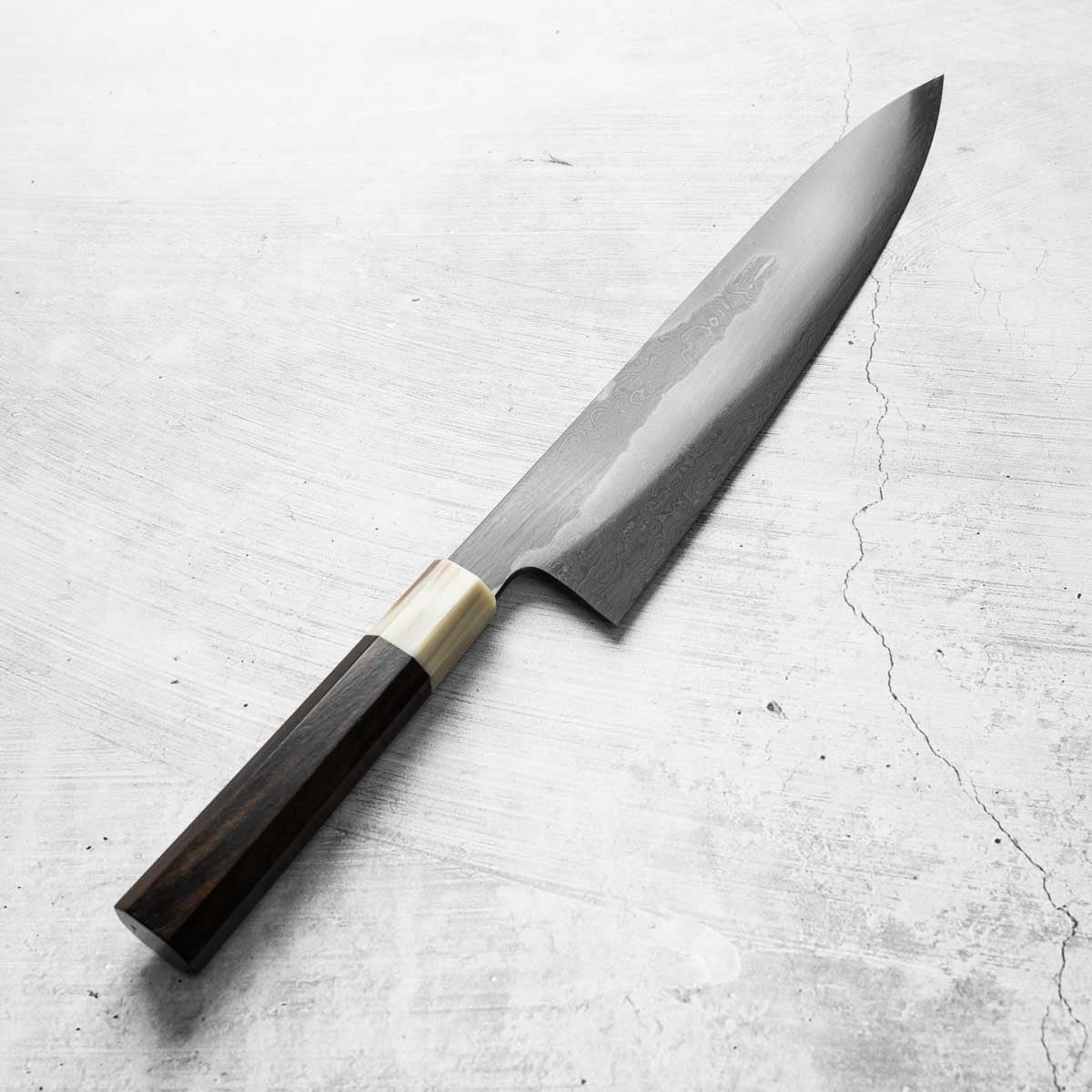
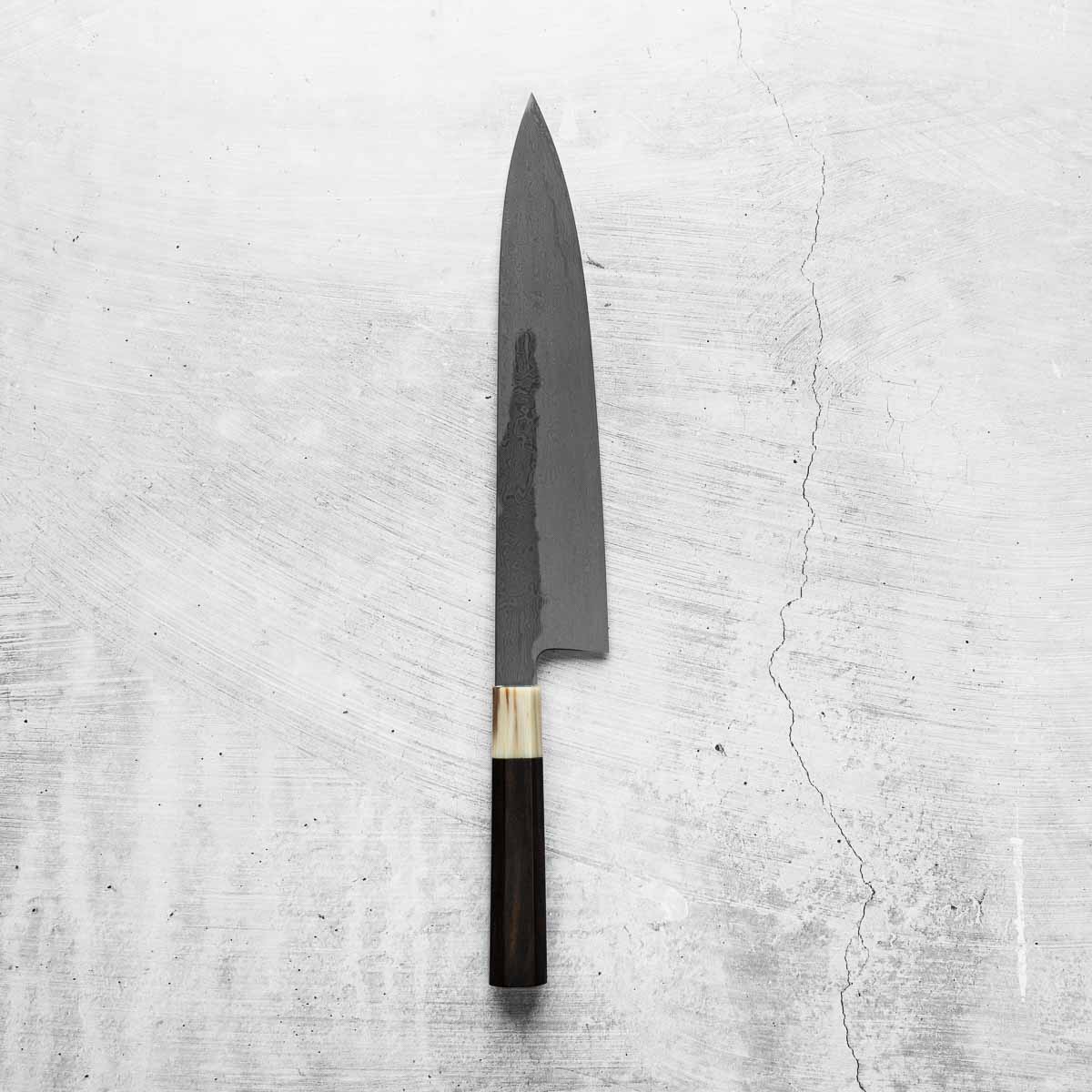
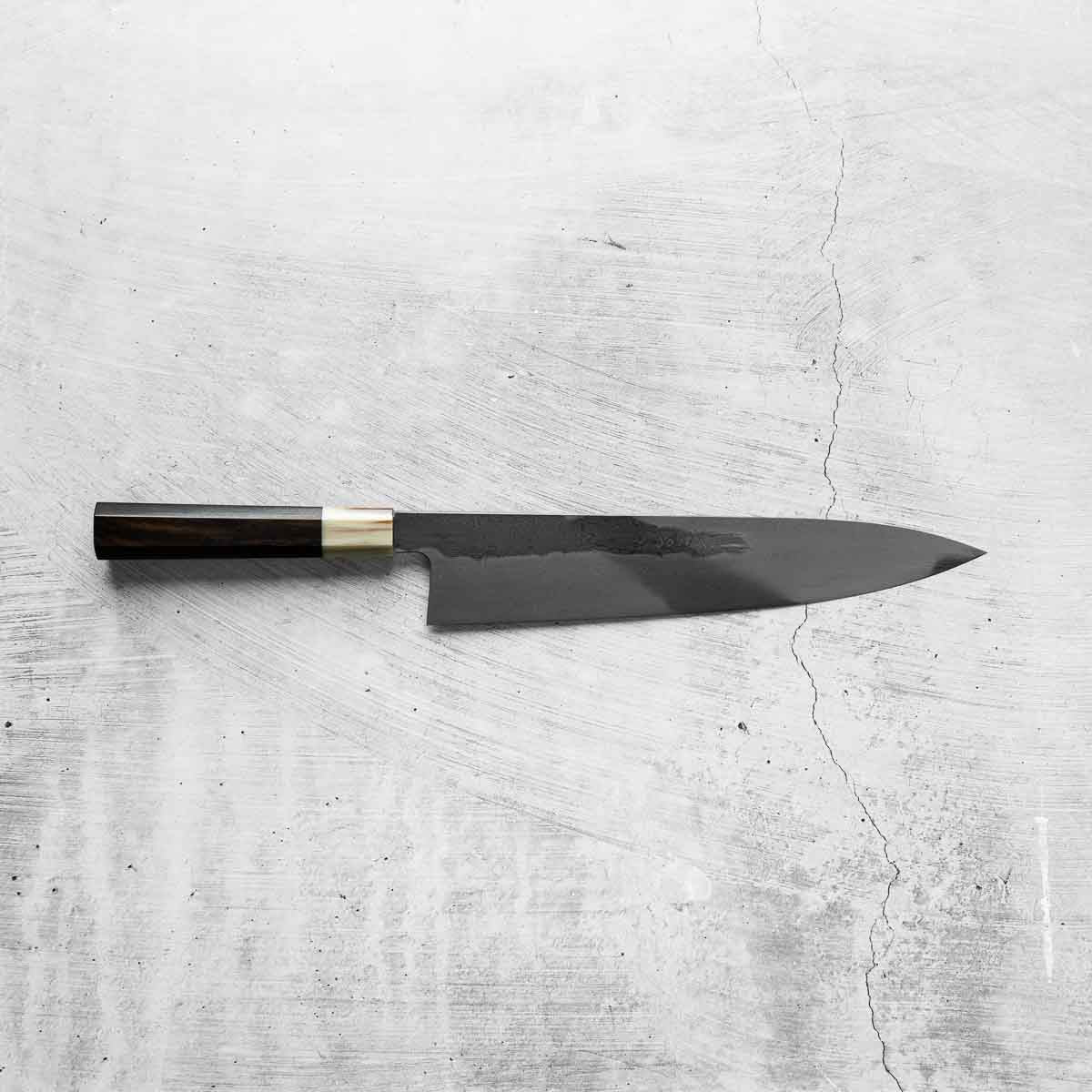
Shoichi Hashimoto Shinryoku Blue 2 + White 2 Coreless Gyuto 270mm

$7,629.00 NZD

%3Cp%3EEarn%20[points_amount]%20when%20you%20buy%20this%20item.%20For%20more%20information%20please%20see%20the%20rewards%20panel%20below.%3C/p%3E

Knife Specifications

We strive to provide accurate measurements and photographs of our products. However, due to the handmade nature of many items slight variations may occur.

Style

Gyuto

Blade Material

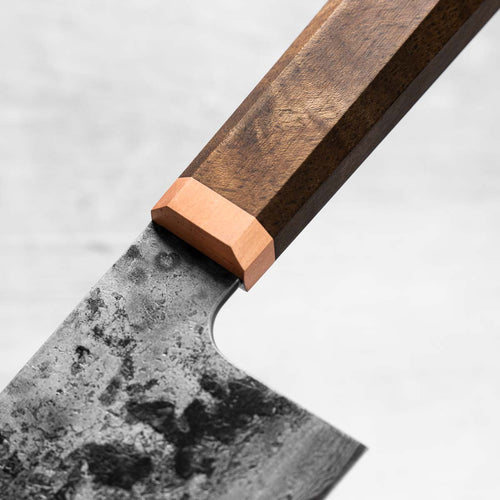
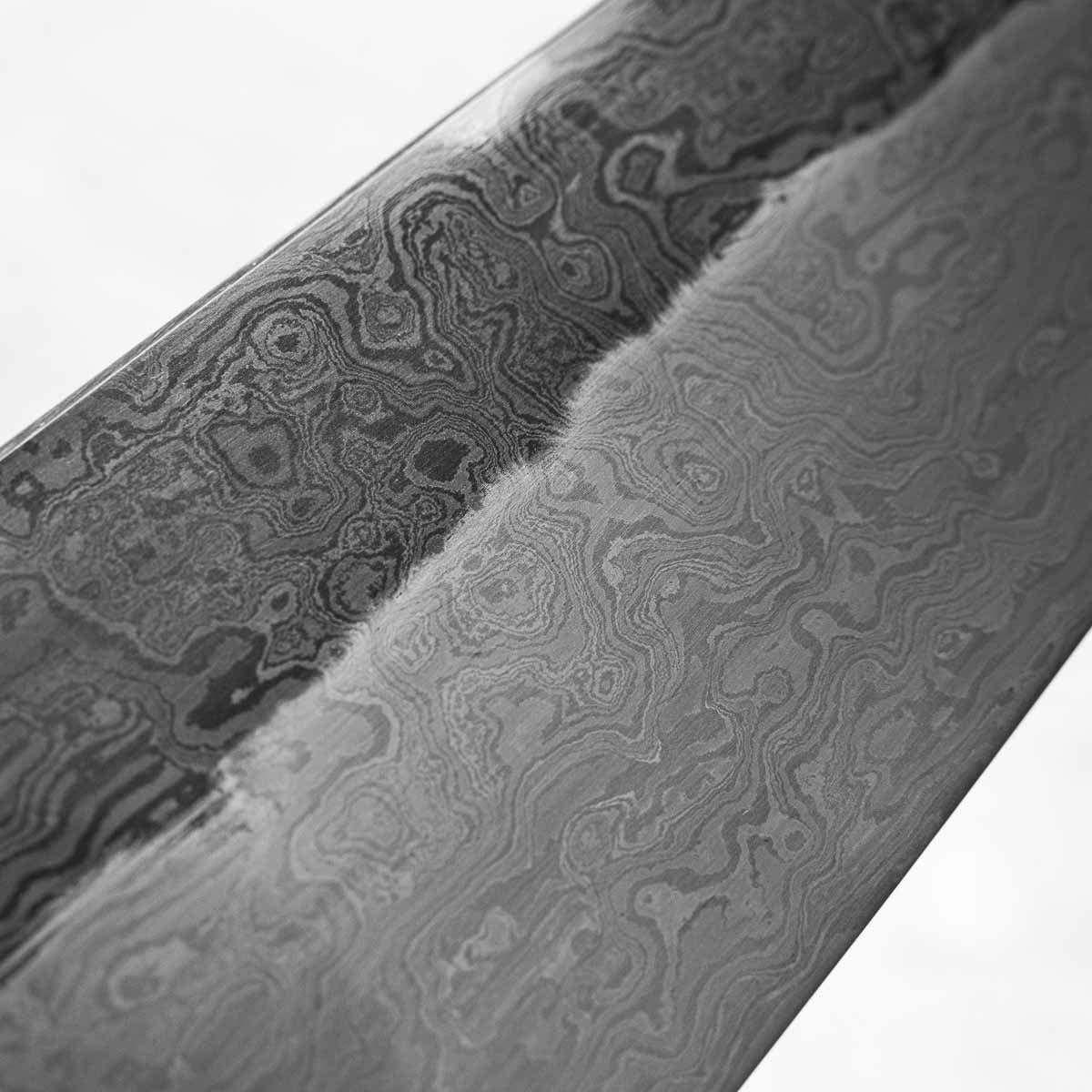
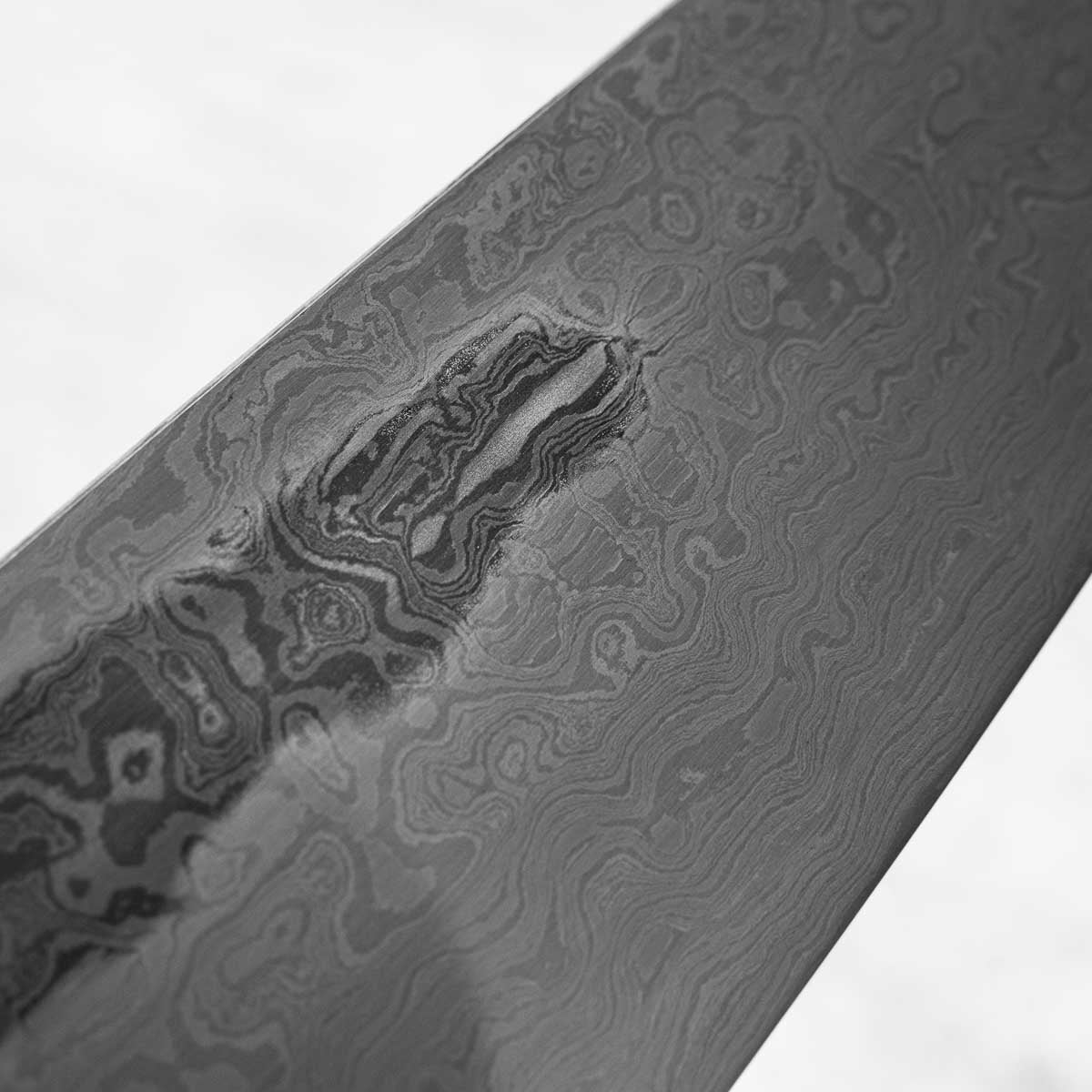
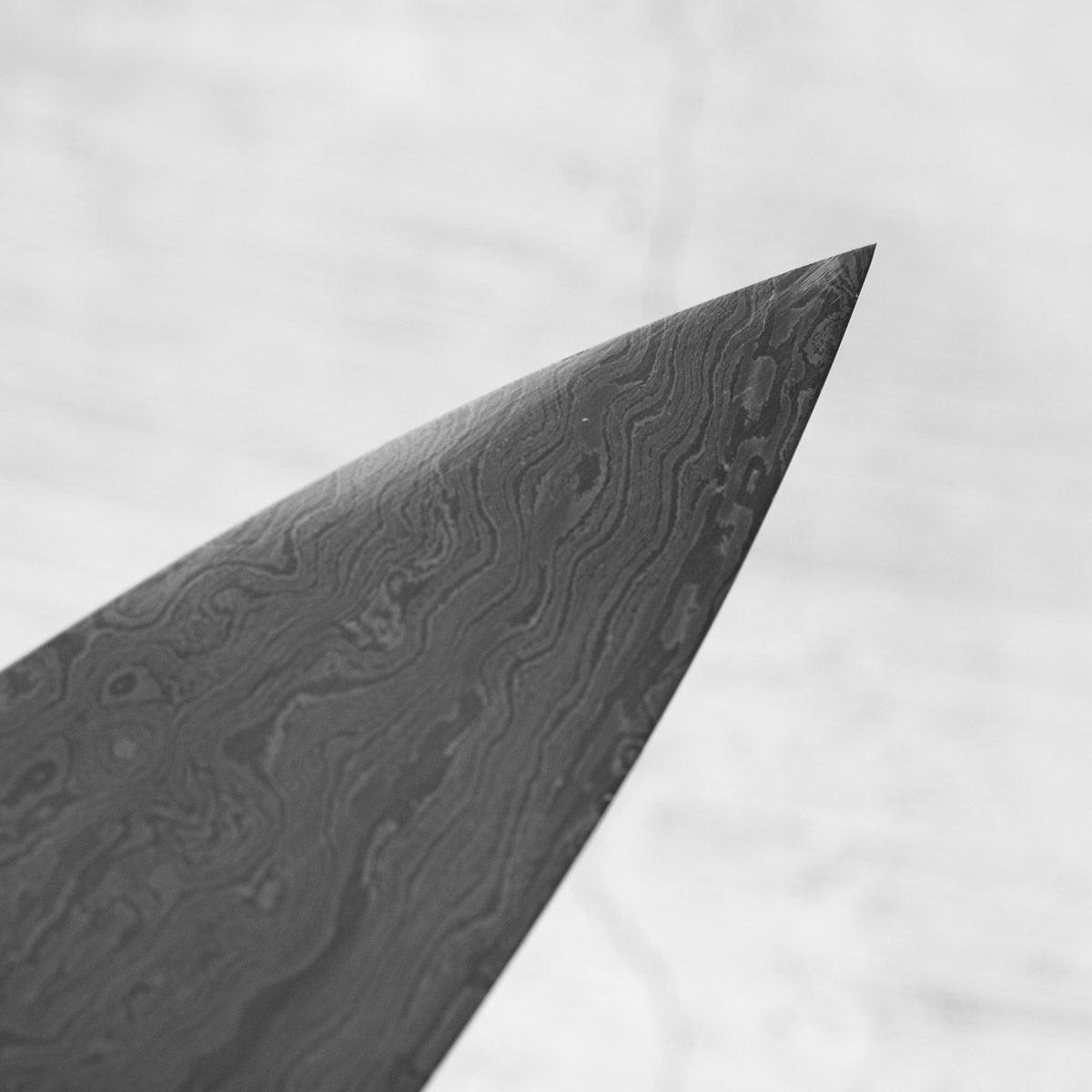
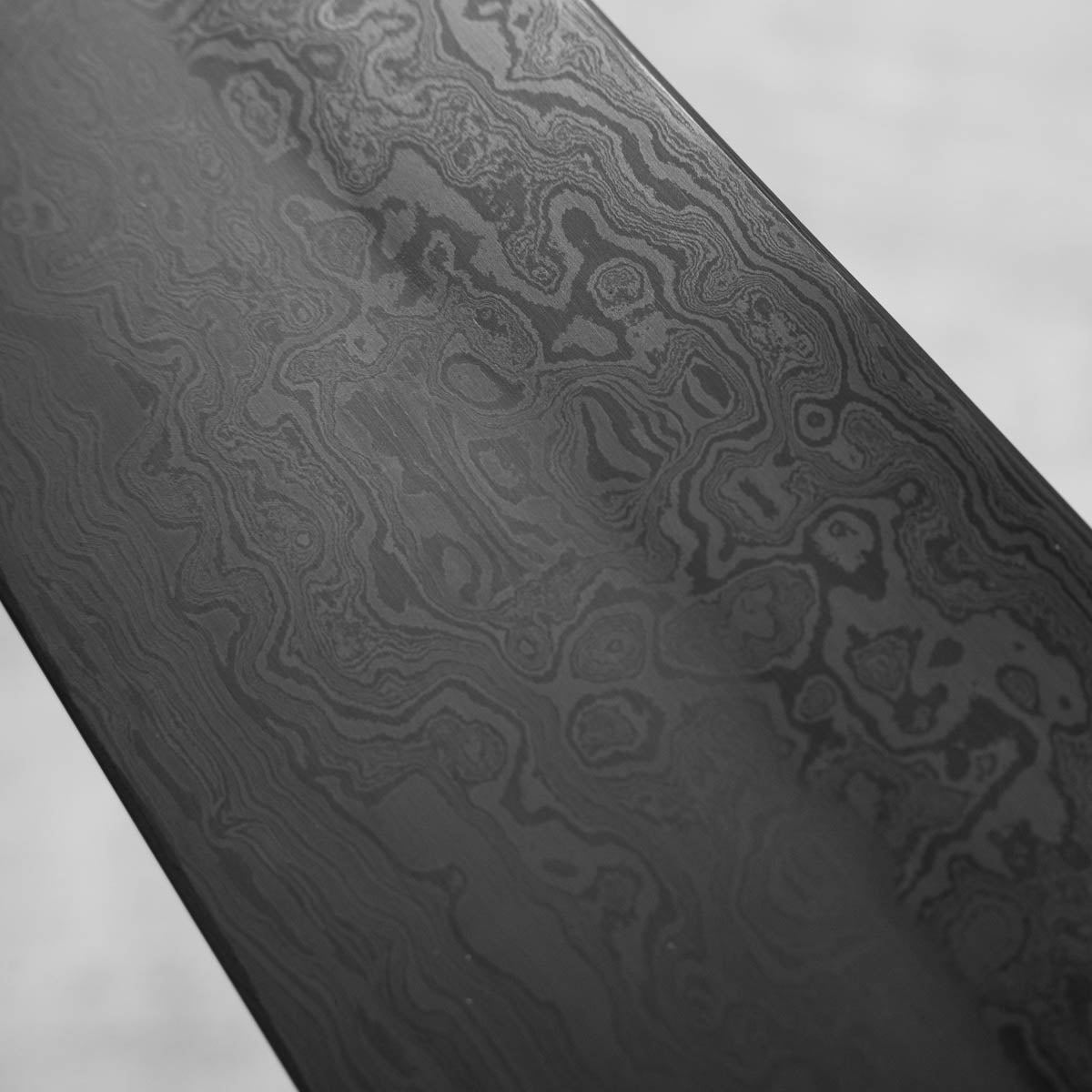
Blue 2 & White 2 Coreless Damascus, Differentially Hardened (Honyaki)

Handle Material

Octagon Ebony & Blonde

Bevel

Double

Maintenance Level

High

Edge Length

270mm

Overall Length

423mm

Spine Thickness

3.2mm/2mm

Blade Height

54mm

Weight

258g

HRC

~62

An In depth look

Blade Type

The Gyuto knife, a cornerstone of Japanese culinary tradition, is a versatile, all-purpose chef's knife. Its name, translating to "beef sword," reflects its proficiency in slicing meat and in more modern times vegetables. However, its slightly curved blade excels in chopping, dicing, and mincing, making it indispensable in any kitchen.

Steel Type

Japanese Blue Steel 2 ("Aogami" 2) and White Steel 2 are both revered high-carbon steels used in traditional Japanese knives, each offering unique advantages. Blue Steel 2, alloyed with small amounts of chromium and tungsten, balances durability, edge retention, and ease of sharpening, making it slightly more ductile yet softer than Blue 1. It is favored for its resilience and sharpness. In contrast, White Steel 2 is prized for its purity and fine grain structure, allowing for razor-sharp edges and effortless sharpening. However, it is highly reactive and requires meticulous maintenance to prevent rust. For chefs who prioritize precision and care, both steels provide exceptional performance in their respective ways.

Care Information

This knife is made from a high-carbon steel and as such, will require a little more care than a regular off-the-shelf knife. It must be dried shortly after use, as prolonged exposure to moisture can cause rust spots to appear. A very light coat of oil during storage also helps to prevent rust spots. A patina (colouration and seasoning of the steel) will occur with use.

Introducing

Shoichi Hashimoto

Renowned for crafting some of the most breathtaking Damascus patterns found in Japan, Shoichi Hashimoto seamlessly blends exceptional artistic vision with deep metallurgical expertise. Initially recognized primarily as a Damascus steel artist, Hashimoto-san transitioned into kitchen knife production several years ago, quickly earning acclaim among collectors, chefs, and knife enthusiasts worldwide.

Frequent exhibitor at renowned international knife events such as the Seki Knife Show in Japan and the New York Knife Show, Shoichi Hashimoto continues to capture admiration not just for the beauty of his knives, but also for their superior cutting performance. In the words of one experienced sushi chef, the kireaji (sharpness and cutting feel) of Hashimoto-san’s knives is truly "unrivalled."