

Sort by
Sold Out
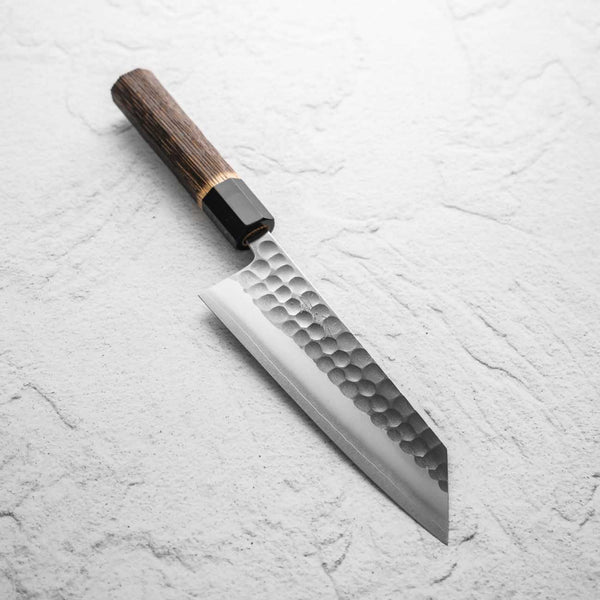
Yoshikane SKD Tsuchime Bunka 165mm
★★★★★
★★★★★
(5)
$637.00 NZD
Sold Out
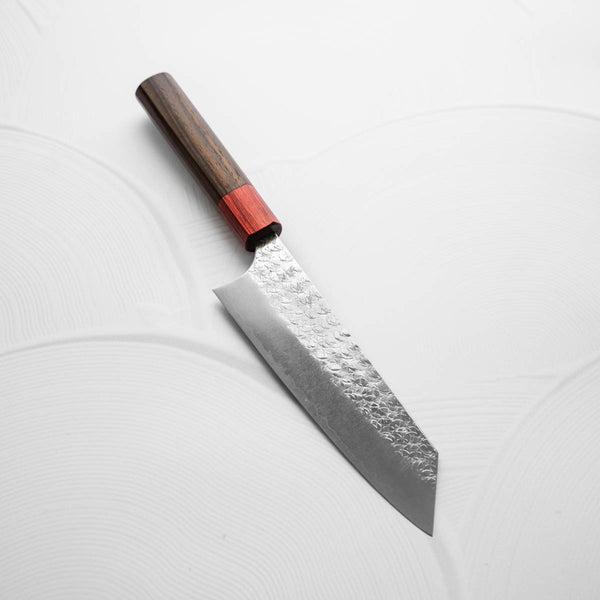
Yoshimi Kato "Minamo" SG2 Bunka 165mm
$566.00 NZD
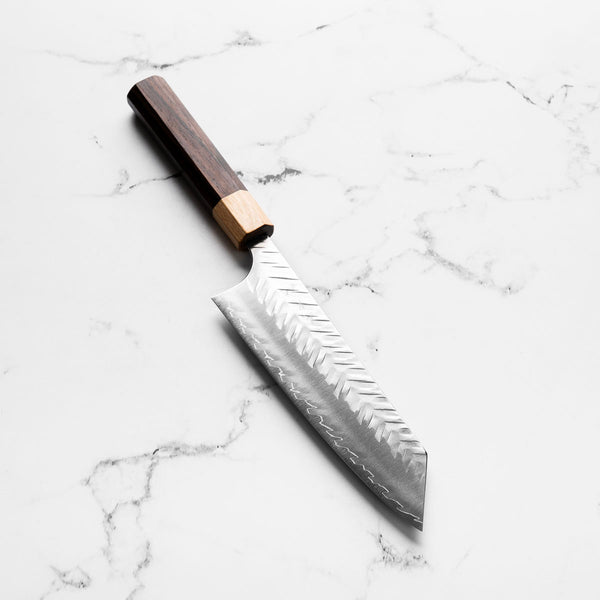
Sold Out
Yoshimi Kato SG Strix V-Tsuchime Bunka 165mm
$850.00 NZD
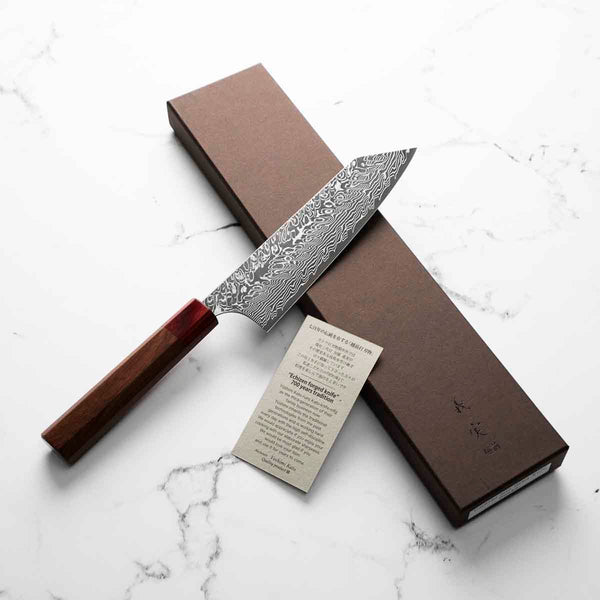
Sold Out
Yoshimi Kato SG2 Damascus Bunka 165mm
$751.00 NZD
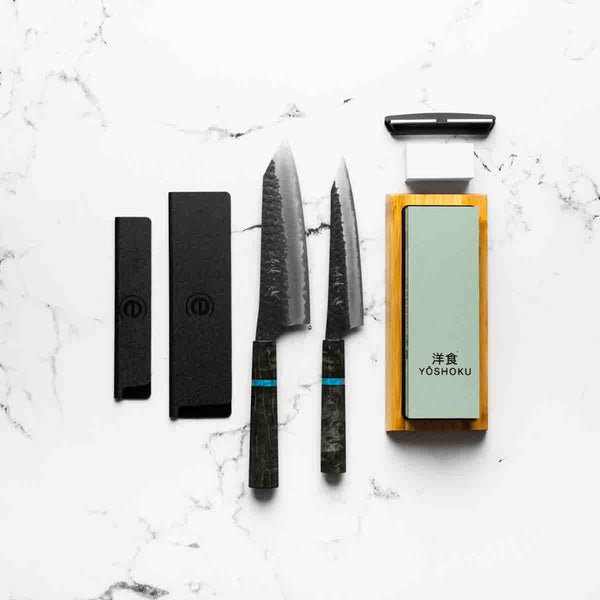
Sold Out
Yu Kurosaki AS Kokusen Ei - 2 Piece Set
$1,034.00 NZD
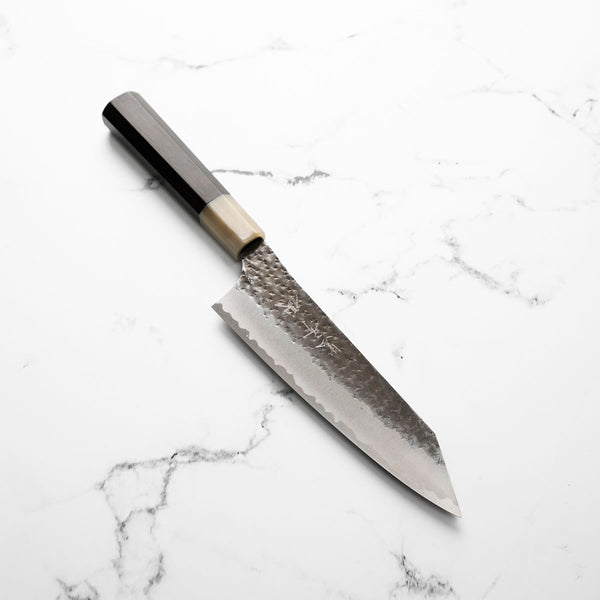
Sold Out
Yu Kurosaki AS Kokusen Ei Bunka 165mm
$495.00 NZD
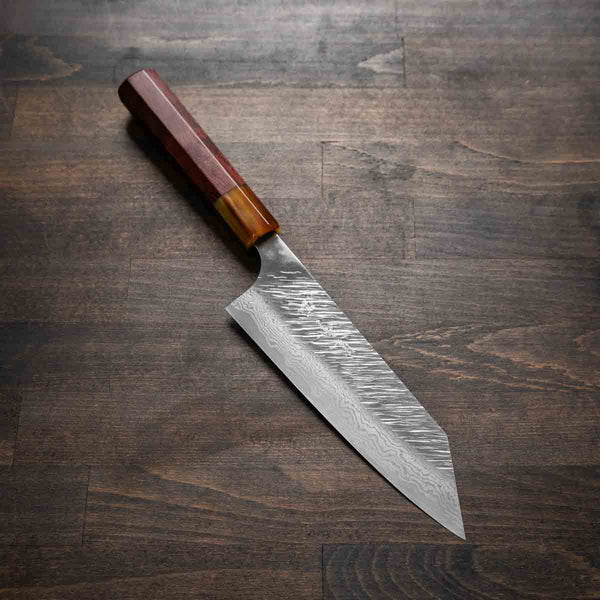
Sold Out
Yu Kurosaki Fujin VG10 Bunka 165mm
$524.00 NZD
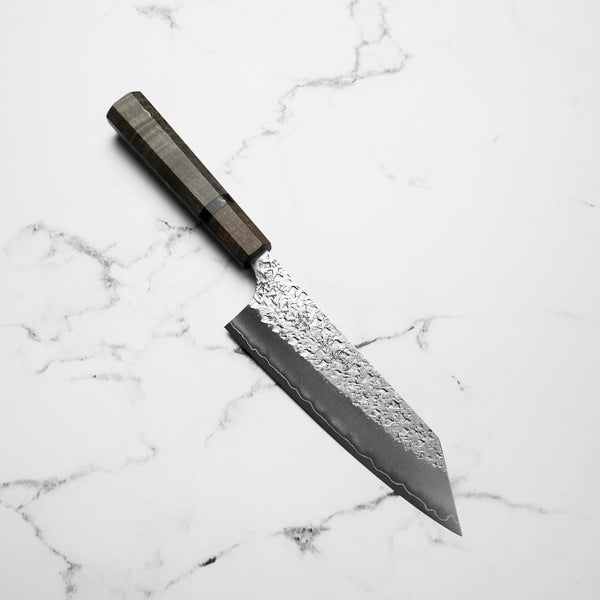
Sold Out
Yu Kurosaki Shizuku SG2 Bunka 165mm - Dark Maple
$623.00 NZD
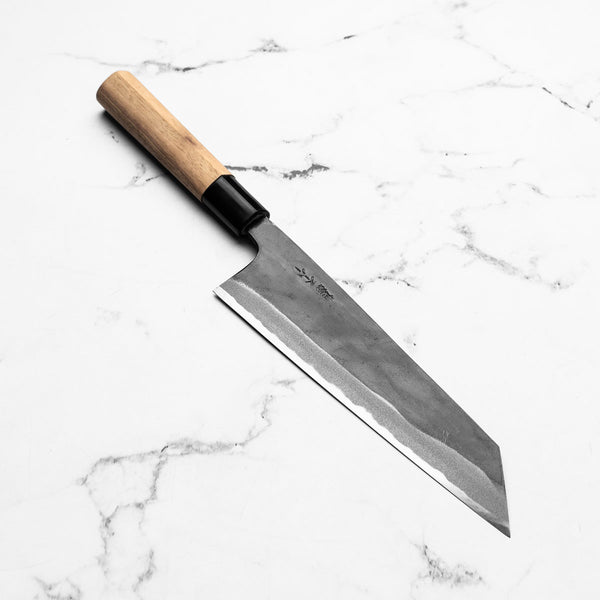
Sold Out
Zakuri Blue Super Bunka 180mm
$254.00 NZD
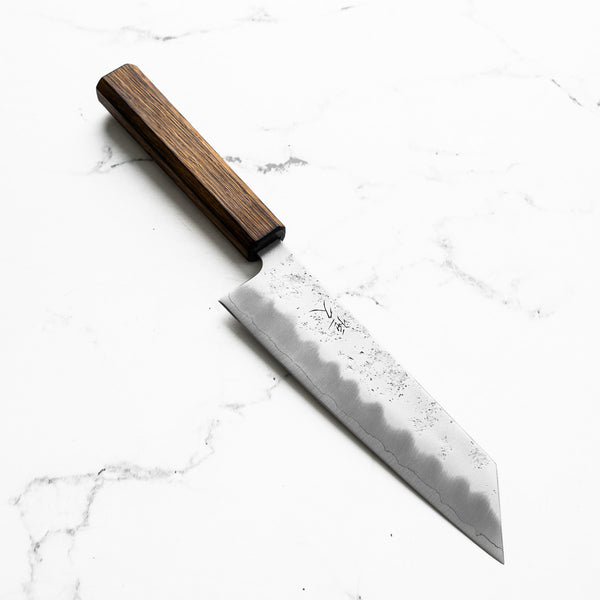
Sold Out
Tsunehisa Ginsan Nashiji Bunka 165mm - Dark Oak
★★★★★
★★★★★
(8)
$283.00 NZD
Showing 161–170 of 170 products
Filter & Sort
Sort By

◆ Common Questions
Shopping for Japanese Bunka Knives
What is a bunka knife?
The bunka is a Japanese kitchen knife with a flatter blade profile and an aggressive K-tip (reverse-tanto point). It handles vegetables, herbs, boneless proteins, and general prep. Think of it as a santoku with a sharper, more pointed tip for detail work.
Bunka vs santoku: which is better?
The core shape is similar, both are compact, double-bevel, all-purpose Japanese knives. The bunka has a flatter blade and aggressive K-tip for push-cuts; santoku has a slightly curved edge and rounded tip. Bunka suits buyers who want more precision; santoku suits buyers who want more forgiveness.
Bunka vs gyuto: which should I buy?
Gyuto is a longer, more curved chef knife designed for rocking motion and larger slicing tasks. Bunka is shorter (usually 165-180mm) with a flatter profile for push-cuts. If you have the counter space and prep larger volumes, gyuto. If you want a nimbler all-rounder, bunka.
What size bunka should I buy?
165mm suits most home kitchens, 180mm is popular for cooks who want more reach, and 200mm is for larger prep volumes. Most buyers choose 165-180mm as the sweet spot.
Are bunka knives good for beginners?
Yes. The bunka is a solid first Japanese knife, compact, versatile, and the K-tip makes detail work (slicing shallots, trimming meat) more intuitive than a straight tip. Just make sure it's double-bevel (most are).
What steel should I pick for a bunka?
For low-maintenance, pick a stainless core like VG10 or Ginsan. For enthusiast edge-holding, pick a carbon core like Aogami (Blue) or Shirogami (White), these need more care but take a sharper edge.